
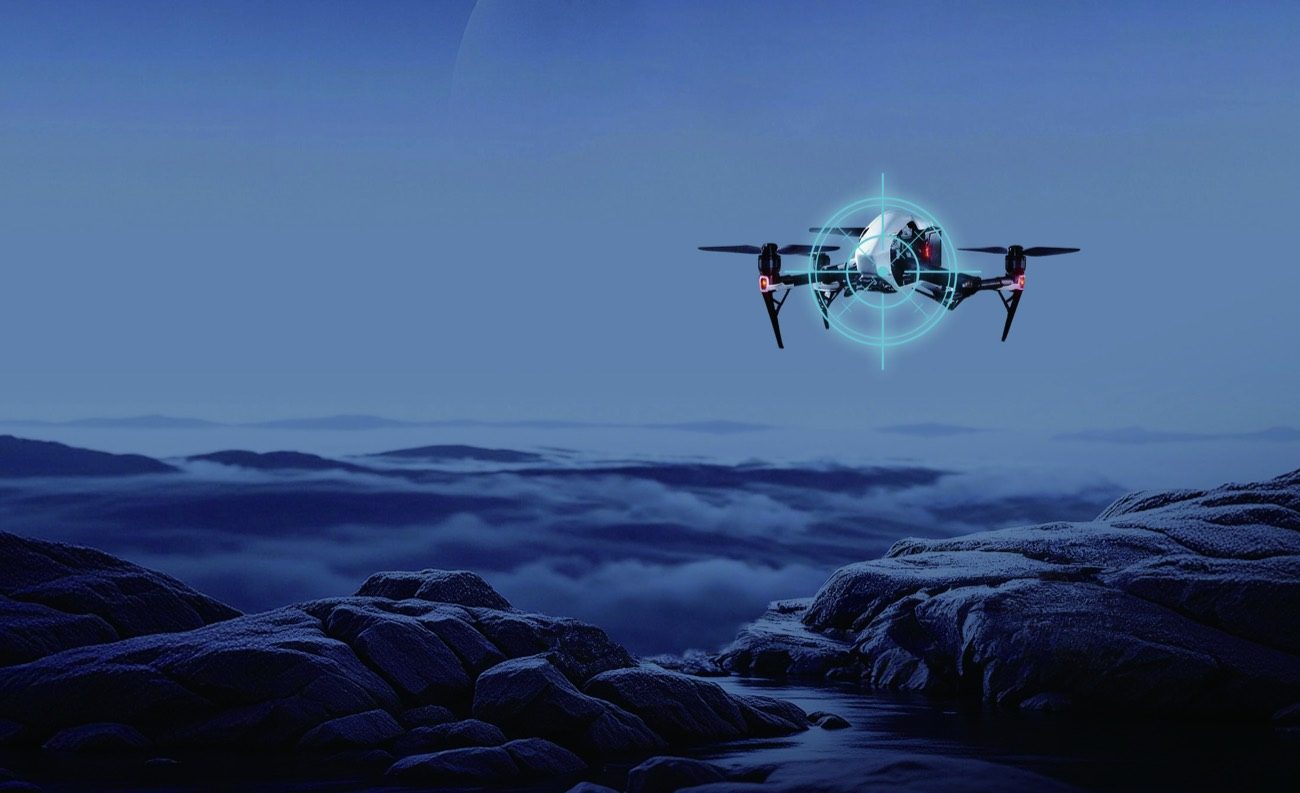
Find. Track. Defeat.

Drone defense for civilian infrastructure,
as hardware or as a service.

See the system

Availability · Service pilots open

Scroll down

Drones got cheap.Air defense didn’t.

Legacy air defense was never built for them: million-dollar effectors against low-cost threats, one shot against many. Defending the low sky demands an answer that scales — and stops at the least force that works.

The math of one incursion, run both ways.

Legacy

One interceptor missile, one million dollars, against a drone that cost less than a laptop. Reload, and hope it came alone.

SyncMacro

Radar finds it far out. Direction-finding walks security to the operator before the second battery goes in. Force waits at the end of the chain — and is rarely needed.

OutcomeThe response always costs less than the thing it protects — a layered answer priced to the site, or a monthly number that covers the whole stack.

See the service
legacy effector
$1,000,000+
= same spend
20× hostile UAS
<$50,000 each

Illustrative unit-cost comparison · procurement data varies by system

One system · six families

  • OUTPOSTFind
  • TALLYTrack
  • MASTFind
  • BOLTDefeat
  • ROOSTSupport
  • FORGEDefeat

Start with the sky.Everything else follows.

A perimeter configured around a site, with a population of sensors living inside it.

1 / 3

Find

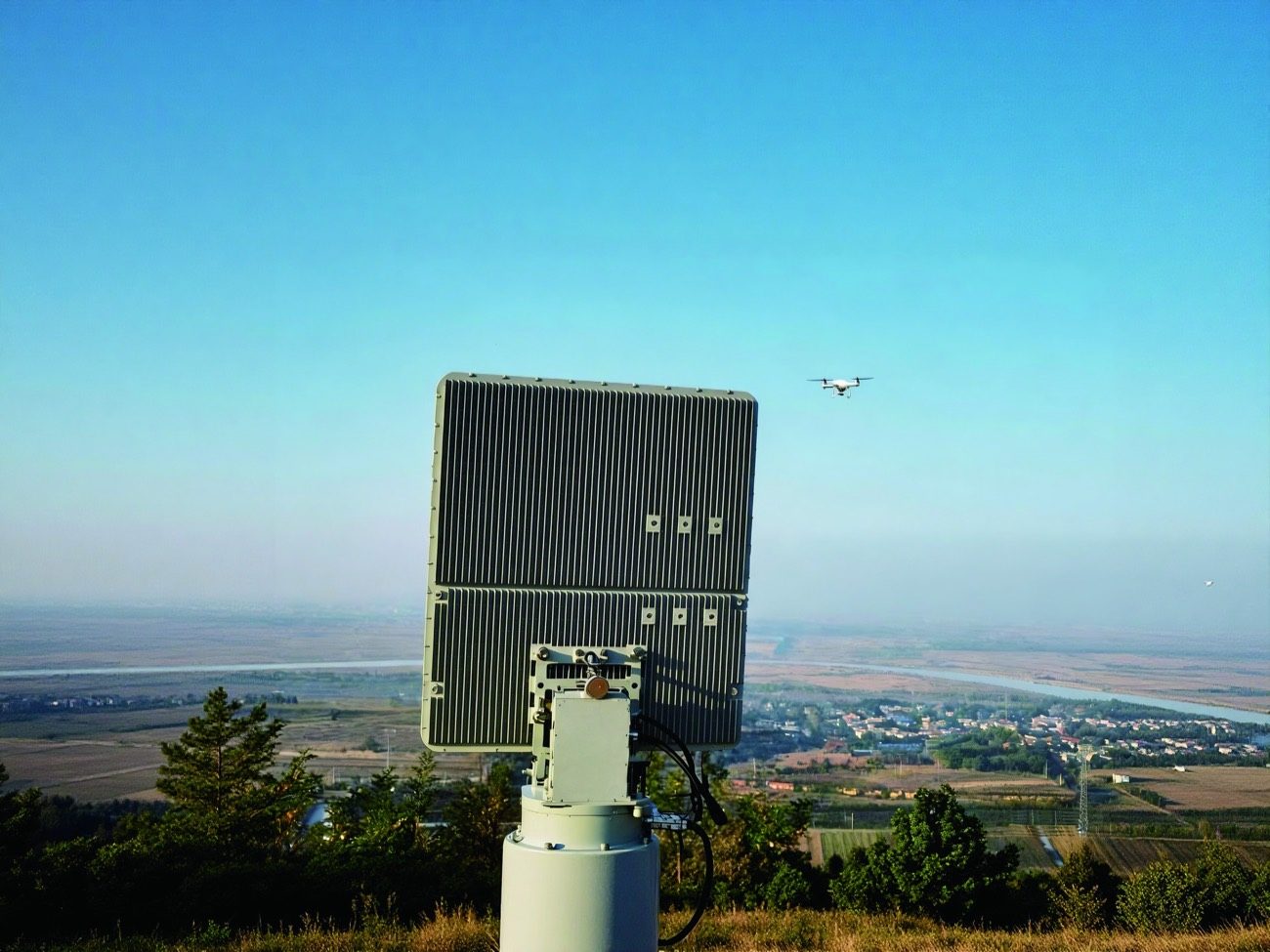
Scanning radar, passive RF and infrared hold the approaches out to 20 km. Tracks are fused, classified and ranked before anyone has to decide anything.

2 / 3

Track

Imaging confirms what it is; passive direction-finding walks your team back to the operator. Nothing is emitted, so a false alarm costs nothing but the alert.

3 / 3

Defeat

For the threats that keep coming: interceptors at 360 km/h and directed energy to 2,500 m. Force, applied last.

The catalogueSyncMacro fields today.

Families cut along the authorization boundary a site’s counsel actually reasons about — what observes, what interferes, what destroys. From first ping to final effect.

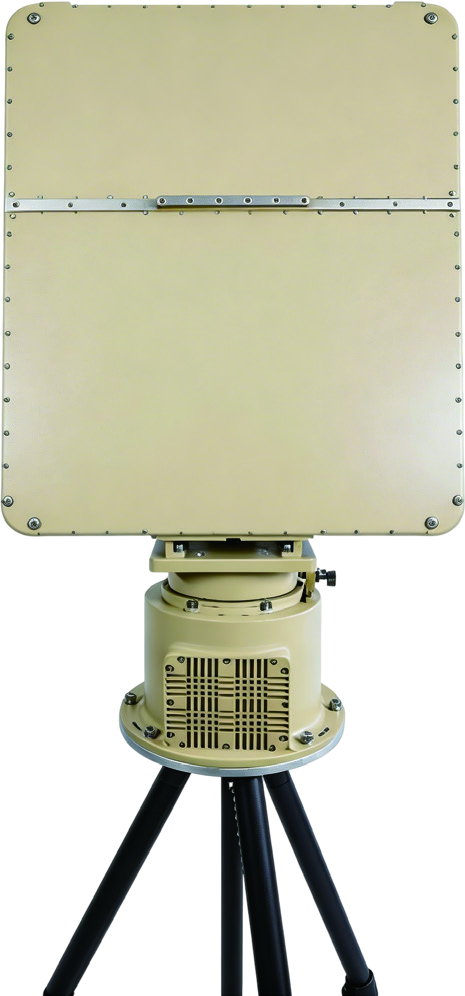
Wide-area detection by radio physics — scanning radars, the electronically scanned array, and the zero-emission passive RF sensor.

  • OUTPOST‑K05Ku-band low-altitude surveillance radar, ≥5 km detection
  • OUTPOST‑X10X-band FMCW low-altitude surveillance radar, 20 km range
  • OUTPOST‑A03Ku-band 2D phased array radar, 3 km search / 3.5 km tracking
  • OUTPOST‑Z05Passive RF detection & direction finding, 300 MHz–6 GHz, 5 km
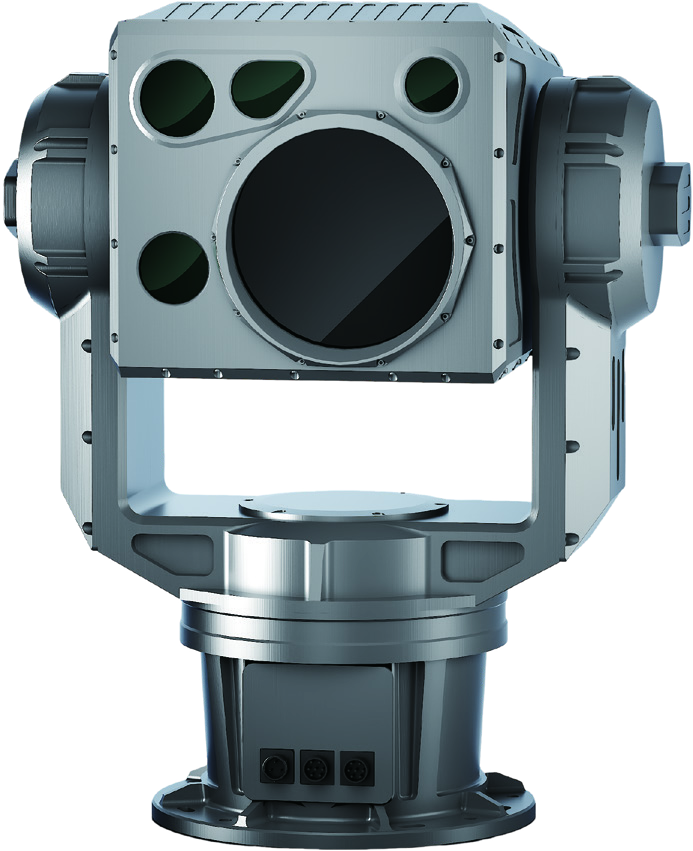
Imaging identification and tracking. Answers the question radar can’t: what is it.

  • TALLY‑E03Multi-sensor EO/IR turret with laser rangefinder, 2,500 m recognition
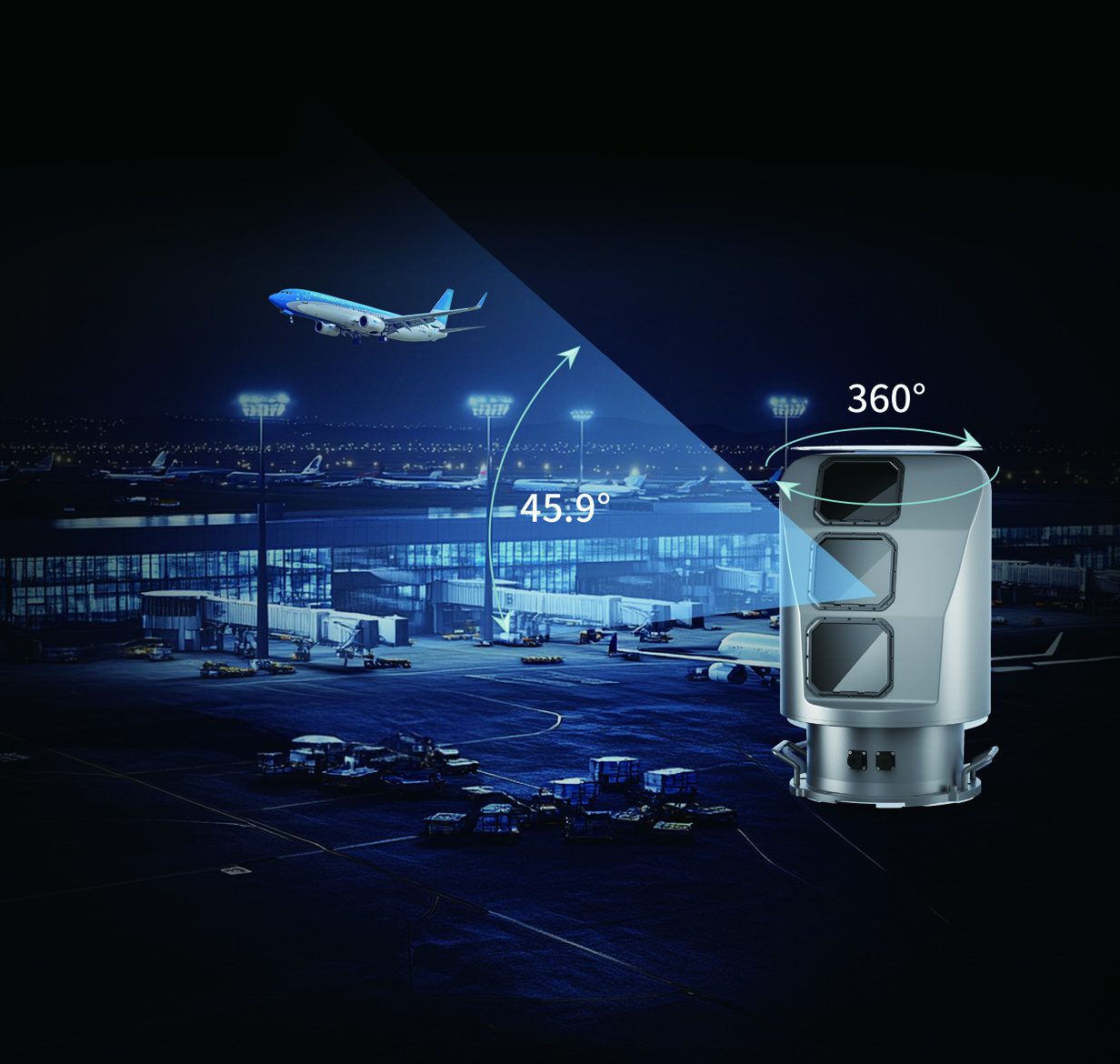
  • TALLY‑W01Uncooled infrared panoramic radar, 360° FOV, 1,500 m detection

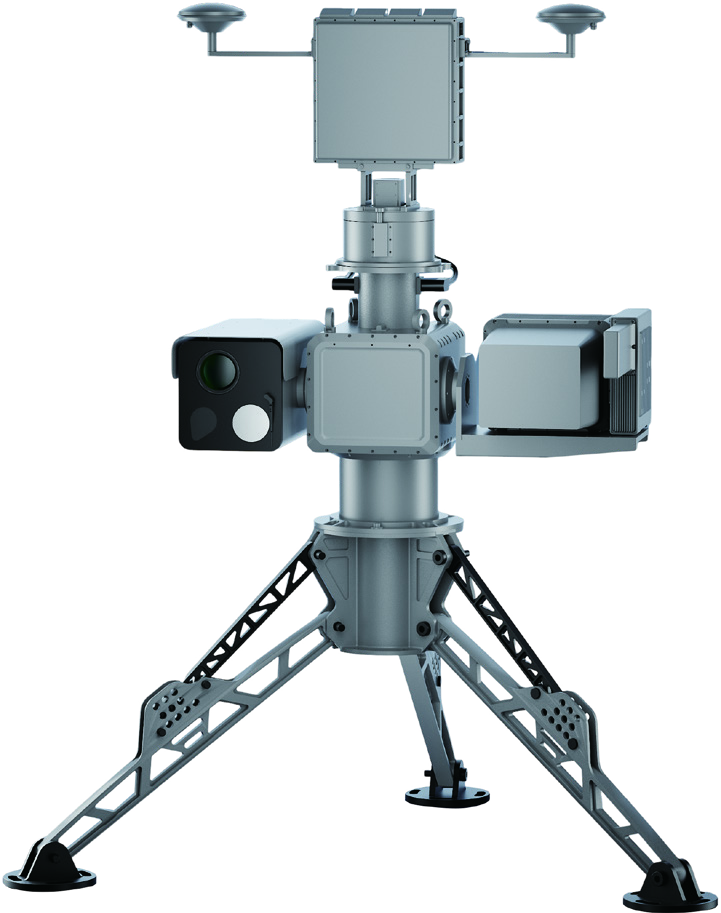
Every sensor on one pole. Radar and imaging from a single coaxial mount that installs in five minutes.

  • MAST‑C03X-band radar and EO/IR on one rapid-deploy mast, 5 km

Kinetic interception. Autonomous to the intercept: recognition, tracking, trajectory prediction and the engagement decision, on board.

Restricted — released only to authorized end users, following export review.

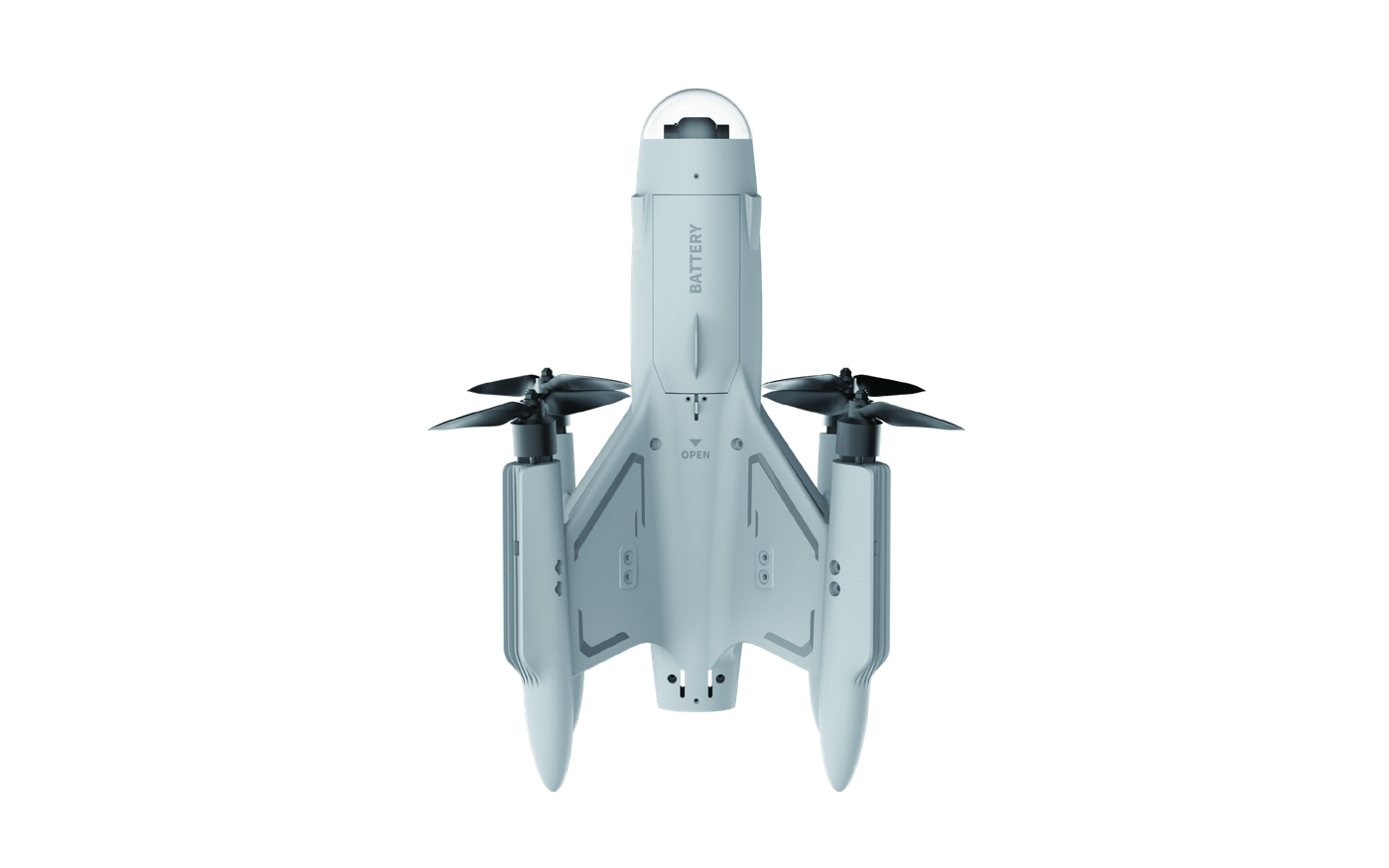
  • BOLT‑E15Interceptor UAV, EO seeker · 360 km/h, 15 km, <2 kg
  • BOLT‑E15TInterceptor UAV, EO + thermal seeker · 300 km/h, 15 km

Launch, storage, recovery and relay hardware for the whole interceptor line — deliberately line-neutral.

Restricted — released only to authorized end users, following export review.

  • ROOST‑G01Ground launch canister — 24 h alert, storage, relay
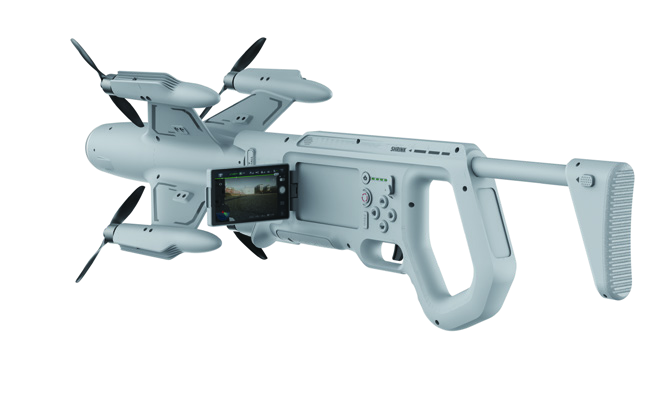
  • ROOST‑H01Handheld launcher — 1.5 kg, one-click launch

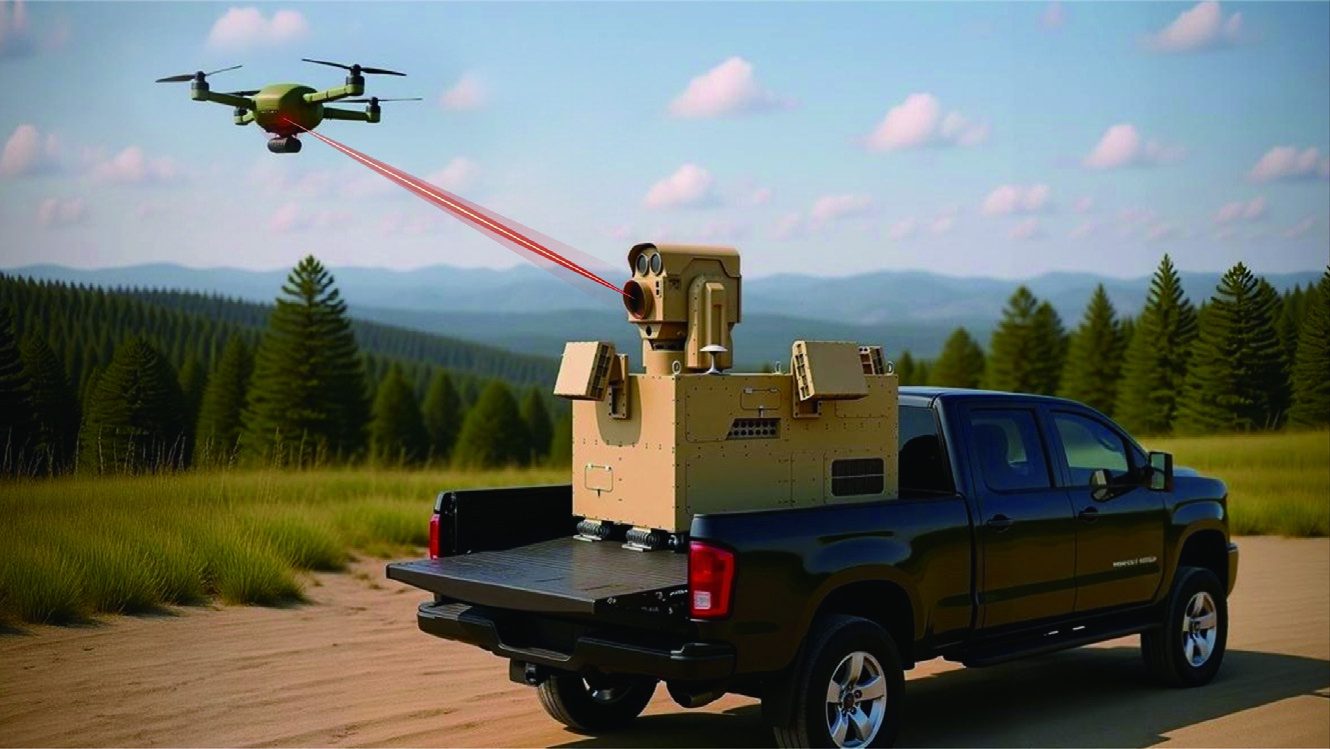
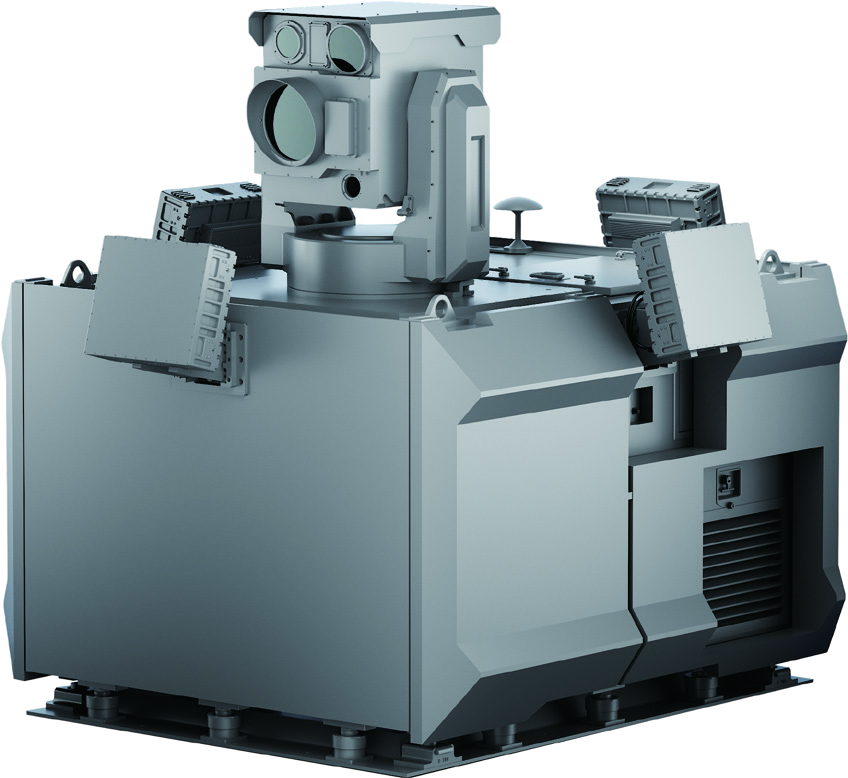
Directed energy across three power tiers, day and night, with time to effect measured in seconds against rated target classes.

Restricted — released only to authorized end users, following export review.

  • FORGE‑L044 kW modular laser · 1,500 m engagement
  • FORGE‑L066 kW modular laser · 2,000 m engagement
  • FORGE‑L1010 kW modular laser · 2,500 m engagement
Request the full catalogue

Full specifications for all six families, plus per-system spec sheets · released following export review

Defeat effectors — BOLT, ROOST and FORGE — are supplied only to government end users holding counter-UAS authority in their jurisdiction. In the United States that authority is limited by statute to designated federal agencies. SyncMacro does not operate effectors on behalf of private site operators.

Don’t buy air defense.Subscribe to it.

The full SyncMacro stack on your site, installed and maintained by us and operated by your authorized personnel, for one monthly number. No capex, no reload economics.

Price my site

Survey first, quote within the week.

  1. 01 · Survey

    A site walk and an RF map. Days, not months.

  2. 02 · Install

    Masts raise in minutes; a typical site commissions in about a week.

  3. 03 · Operate

    Your operators hold the authority. Our team runs detection, monitoring and diagnostics alongside them.

  4. 04 · Refresh

    Upgrades ride the subscription, not a budget cycle.

Built for every kindof site.